
Our Services
Hernia Repair
If you or a loved one is experiencing symptoms of a hernia, such as pain, pressure, or a visible bulge, it’s important to seek evaluation from an experienced surgical team. Hernias come in several forms, and accurate diagnosis is essential to determining the most effective treatment or surgical repair. At ASA, our board-certified surgeons specialize in comprehensive hernia care, offering advanced diagnostic and surgical treatment options for a wide range of hernia types. Below are the most common hernias treated at ASA.
Read More
Inguinal Hernia
An inguinal hernia occurs when tissue, usually part of the intestine, pushes through a weak area in the lower abdominal wall near the groin. It is the most common type of hernia and affects men more frequently.
Symptoms:
- Bulge in the groin or scrotum
- Groin pain or pressure
- Discomfort when lifting, coughing, or standing
- Burning or aching sensation
Treatment Options:
Treatment often includes surgical repair, either minimally invasive laparoscopic surgery or open hernia repair. The experienced hernia surgeons at ASA evaluate each patient to determine the safest and most effective approach.
Femoral Hernia
A femoral hernia develops when abdominal tissue pushes through the femoral canal just below the groin. It is less common than inguinal hernias but occurs more often in women and carries a higher risk of complications.
Symptoms:
- Groin or upper thigh pain
- Small bulge below the groin
- Sudden severe pain if strangulation occurs
Treatment Options:
Because femoral hernias have a higher risk of becoming incarcerated or strangulated, prompt surgical repair is usually recommended. Hernia surgeons at ASA provide timely evaluation and expert care.
Umbilical Hernia
An umbilical hernia occurs when intestine or fatty tissue protrudes through the abdominal wall near the belly button. It is common in infants but also affects adults after pregnancy, weight gain, or abdominal strain.
Symptoms:
- Bulge near the navel
- Mild pain or pressure
- Swelling that worsens with activity
Treatment Options:
Small hernias may be monitored, but many adults require surgical repair to prevent complications. The Surgeons at ASA offer safe and effective umbilical hernia treatment options.
Ventral Hernia
A ventral hernia refers to a bulge through an opening in the abdominal muscles and can occur anywhere on the abdominal wall. It may be present at birth or develop over time.
Symptoms:
- Visible abdominal bulge
- Pain or discomfort
- Pressure that increases with activity
Treatment Options:
Ventral hernia treatment often involves surgical repair with or without mesh, depending on the size and location of the hernia. ASA surgeons tailor treatment plans to each patient.
Incisional Hernia
An incisional hernia develops at the site of a previous surgical incision when the abdominal wall does not heal completely.
Symptoms:
- Bulge near a prior surgical scar
- Pain or tenderness
- Worsening discomfort over time
Treatment Options:
Incisional hernias typically require surgical correction, often using minimally invasive techniques to reduce recovery time. ASA offers advanced solutions for complex and recurrent hernias.
Hiatal Hernia Treatment at ASA
A hiatal hernia occurs when part of the stomach moves through the diaphragm into the chest cavity and is commonly associated with acid reflux and GERD.
Symptoms:
- Heartburn or acid reflux
- Chest pain
- Difficulty swallowing
- Regurgitation
Treatment Options:
Treatment may include lifestyle changes, medications, or surgical repair for severe or persistent symptoms. Surgeons at ASA provide individualized hiatal hernia care.
Epigastric Hernia
An epigastric hernia occurs between the breastbone and the belly button when fatty tissue or intestine pushes through the abdominal wall.
Symptoms:
- Small upper abdominal bulge
- Localized pain or tenderness
- Discomfort during activity
Treatment Options:
Surgical repair is often recommended, especially if symptoms worsen or the hernia increases in size. ASA surgeons provide effective and minimally invasive treatment options.
Spigelian Hernia
A Spigelian hernia forms along the side of the abdominal wall and is relatively rare. It can be difficult to detect because it often does not create a visible bulge.
Symptoms:
- Localized abdominal pain
- Tenderness on the side of the abdomen
- Discomfort with movement
Treatment Options:
Due to the risk of complications, surgical repair is typically recommended. Experienced hernia surgeons at ASA specialize in diagnosing and treating rare hernias.
Obturator Hernia
An obturator hernia occurs when tissue protrudes through the obturator canal in the pelvic bone. It is rare and most commonly affects elderly, thin women.
Symptoms:
- Deep pelvic or groin pain
- Inner thigh pain
- Symptoms of bowel obstruction
Treatment Options:
This condition usually requires urgent surgical intervention due to the high risk of bowel obstruction. ASA provides prompt diagnosis and advanced surgical care.
Diaphragmatic Hernia
A diaphragmatic hernia occurs when abdominal organs move into the chest cavity through an opening in the diaphragm.
Symptoms:
- Shortness of breath
- Chest or abdominal pain
- Digestive symptoms
Treatment Options:
Treatment depends on severity and may involve surgical repair, especially for symptomatic or traumatic diaphragmatic hernias. ASA Surgeons offer comprehensive care using advanced surgical techniques.
Flank Hernia
A flank hernia is a type of abdominal wall hernia that occurs on the side of the abdomen, between the ribs and the hip. It develops when tissue or organs push through a weakened area of muscle, often after surgery, trauma, or injury. Flank hernias are considered complex and may worsen over time if left untreated.
Symptoms:
- Visible bulge on the side of the abdomen
- Pain or aching in the flank area
- Discomfort that worsens with movement, coughing, or straining
- Pressure or heaviness in the affected area
Treatment Options:
Flank hernias typically require surgical repair, often using mesh reinforcement for added strength. The experienced hernia surgeons at ASA specialize in complex abdominal wall reconstruction and provide personalized treatment plans.
Lumbar Hernia
A lumbar hernia is a rare abdominal hernia that forms in the lower back due to weakness in the posterior abdominal wall. It may be congenital or develop later in life following surgery, injury, or muscle degeneration.
Symptoms:
- Soft bulge in the lower back
- Lower back or flank pain
- Discomfort when standing, lifting, or bending
- Feeling of pressure in the lower back
Treatment Options:
Because lumbar hernias can enlarge and lead to complications, surgical repair is usually recommended. The hernia surgeons at ASA offer both minimally invasive and open surgical techniques based on the patient’s condition.
Morgagni Hernia
A Morgagni hernia is a rare type of congenital diaphragmatic hernia caused by an opening in the front portion of the diaphragm. This allows abdominal organs, such as the colon or liver, to move into the chest cavity. Many cases are discovered incidentally in adulthood.
Symptoms:
- Often no noticeable symptoms
- Shortness of breath
- Chest discomfort
- Digestive symptoms such as bloating or reflux
Treatment Options:
Although some Morgagni hernias are asymptomatic, surgical repair is commonly recommended to prevent future complications.
Schedule your consultation with one of our Board Certified Surgeons today. At ASA, patients receive comprehensive evaluation and advanced surgical care from experienced specialists.
da Vinci® robotic-assisted surgery and Laparoscopic surgery
At ASA, we provide advanced laparoscopic and da Vinci® robotic-assisted surgery using minimally invasive techniques designed to reduce pain, shorten recovery time, and improve surgical outcomes. During your consultation, one of our highly skilled, board-certified surgeons will carefully evaluate your condition and determine the most appropriate surgical approach based on your individual needs. By utilizing the latest surgical technology and evidence-based techniques, our surgeons deliver safe, effective care tailored to each patient’s circumstances.
Read More
Surgeries Performed Using da Vinci® Robotic-Assisted or Laparoscopic Techniques
At ASA, many surgical procedures can be safely and effectively performed using da Vinci® robotic-assisted surgery or traditional laparoscopic surgery. These minimally invasive approaches allow surgeons to operate with enhanced precision while reducing postoperative pain, shortening recovery time, and minimizing scarring. The choice of technique is determined during consultation with a board-certified surgeon based on the patient’s condition and clinical needs.
Hernia Repair Surgery
-
Inguinal, ventral, incisional, umbilical, and complex hernia repairs
Gallbladder Surgery (Cholecystectomy)
-
Minimally invasive removal of the gallbladder
Appendectomy
-
Surgical removal of the appendix for acute appendicitis
Colon and Colorectal Surgery
-
Colon resection
-
Colostomy and colostomy reversal
-
Treatment of diverticulitis and colorectal disease
Small Bowel Surgery
-
Small bowel resection for diseased or damaged segments
Diagnostic Laparoscopy
-
Evaluation of abdominal pain or unexplained gastrointestinal symptoms
Abdominal Wall Reconstruction (Diastasis Recti)
-
Advanced minimally invasive approaches for complex abdominal wall conditions
Advanced Surgical Technology, Personalized Care
During your consultation at ASA, a board-certified surgeon will review your diagnosis, imaging, and overall health to determine whether laparoscopic surgery or da Vinci® robotic-assisted surgery is the most appropriate option. Our goal is to provide the safest approach while optimizing surgical outcomes and recovery.
Hemorrhoids
Hemorrhoids are a common condition that can cause discomfort, pain, and concern. ASAprovides comprehensive hemorrhoid evaluation and treatment, offering conservative care, minimally invasive procedures, and surgical options when medically necessary. Our providers tailor treatment plans based on each patient’s symptoms and clinical needs.
Read More
What Are Hemorrhoids?
Hemorrhoids are swollen veins located in the lower rectum or around the anus. They are typically caused by increased pressure in the rectal area due to straining, chronic constipation, pregnancy, or prolonged sitting. Hemorrhoids are classified into two main typesbased on their location.
Types of Hemorrhoids
Internal Hemorrhoids
Internal hemorrhoids develop inside the rectum and are often painless.
Symptoms may include:
-
Bright red rectal bleeding during or after bowel movements
-
A feeling of fullness or pressure
-
Prolapse (hemorrhoidal tissue bulging outside the anus)
External Hemorrhoids
External hemorrhoids form under the skin around the anus and are more likely to cause discomfort.
Symptoms may include:
-
Pain or tenderness
-
Itching or irritation
-
Swelling around the anal area
-
A firm lump if a blood clot forms (thrombosed hemorrhoid)
Hemorrhoid Treatment Options at ASA
ASA providers begin with a thorough evaluation to determine the most appropriate treatment approach.
Minimally Invasive Hemorrhoid Procedures
If symptoms persist despite conservative treatment, ASA may offer outpatient procedures with minimal downtime.
Minimally invasive options include:
-
Rubber Band Ligation: A small band is placed at the base of an internal hemorrhoid, cutting off blood supply and allowing it to shrink.
-
Sclerotherapy: A medication is injected into the hemorrhoid to promote shrinkage.
-
Infrared Coagulation: Heat energy creates scar tissue that reduces blood flow to the hemorrhoid.
Surgical Hemorrhoid Treatment
Surgical treatment may be recommended for severe, recurrent, or complicated hemorrhoids.
Surgical options may include:
-
Hemorrhoidectomy: Surgical removal of hemorrhoidal tissue, typically used for large or advanced hemorrhoids.
-
Stapled Hemorrhoidopexy: A procedure that repositions prolapsed internal hemorrhoids and reduces blood flow.
-
Thrombectomy: Removal of a blood clot from a thrombosed external hemorrhoid to relieve acute pain.
When to Seek Care for Hemorrhoids
You should consider scheduling an appointment with an ASA provider if you experience:
-
Persistent or recurrent rectal bleeding
-
Pain or discomfort that does not improve with home treatment
-
Swelling, prolapse, or a lump around the anus
-
Hemorrhoid symptoms affecting daily activities or quality of life
Seek prompt medical attention if you experience:
-
Severe pain or sudden swelling
-
Heavy or ongoing rectal bleeding
-
Signs of infection, such as fever or increasing redness
Rectal bleeding may be caused by conditions other than hemorrhoids. A proper medical evaluation is important to ensure accurate diagnosis and treatment.
Schedule a Consultation
If you are experiencing hemorrhoid symptoms, ASA providers are here to help. Contact us today to schedule an evaluation and discuss your treatment options.
Breast Care: Expert Care for Men and Women
At ASA, we provide comprehensive breast surgery services for both female and male patients, led by highly skilled, board-certified surgeons. Our approach is grounded in medical excellence, advanced surgical techniques, and compassionate, individualized care.
Breast surgery may play a critical role in the diagnosis, treatment, and management of breast conditions, including benign disorders and breast cancer. Our team is committed to guiding patients through each step of the process with clarity, respect, and evidence-based recommendations.
Read More
Our Medical Approach
Every patient’s condition, concerns, and goals are unique. At ASA, we emphasize:
-
Accurate diagnosis using advanced surgical and diagnostic methods
-
Personalized treatment planning
-
Minimally invasive techniques whenever appropriate
-
Coordinated care with oncology, radiology, and radiation therapy teams
Our priority is to support both physical healing and emotional well-being while delivering the highest standard of surgical care.
Breast Surgery Procedures
Breast Biopsy
A breast biopsy involves removing a small sample of breast tissue for diagnostic evaluation. This procedure provides critical information to determine whether a condition is benign or malignant and helps guide appropriate next steps in care.
Lumpectomy (Breast-Conserving Surgery)
A lumpectomy removes a breast tumor along with a small margin of surrounding tissue while preserving as much of the breast as possible. This procedure is commonly recommended for early-stage breast cancer and may be combined with radiation therapy based on individual treatment plans.
Mastectomy (Simple or Radical)
In certain cases of breast cancer, recurrent disease, or high-risk conditions, a mastectomy may be recommended. This procedure involves the removal of one or both breasts and may include:
-
Simple (Total) Mastectomy
-
Modified Radical or Radical Mastectomy
Our surgeons carefully evaluate each patient to determine the most appropriate surgical option using current clinical guidelines.
Axillary Lymph Node Dissection
This procedure involves the removal of lymph nodes from the underarm area to assess whether cancer has spread beyond the breast. Lymph node evaluation plays an important role in cancer staging and treatment planning.
Sentinel Lymph Node Biopsy / Excision
A sentinel lymph node biopsy identifies and removes the first lymph node(s) most likely to be affected by cancer spread. This targeted approach often reduces the need for more extensive lymph node surgery and lowers the risk of long-term complications.
MammoSite® Targeted Radiation Therapy
MammoSite® is a form of targeted radiation therapy used after lumpectomy in select patients. Radiation is delivered directly to the surgical site, helping limit exposure to healthy tissue while supporting effective cancer treatment and recovery.
Dedicated Support Throughout Your Care
We understand that breast surgery decisions can feel overwhelming. At ASA, patients receive:
-
Clear explanations of all available treatment options
-
Thoughtful guidance in shared decision-making
-
Compassionate care from consultation through recovery
If you or a loved one is facing a breast health concern, our team is here to help you make informed, confident decisions about your care.
Schedule a Consultation
To learn more about our breast surgery services or to schedule a consultation, contact ASA today. You are not alone—expert care and support are here for you.
Skin Conditions and Treatments
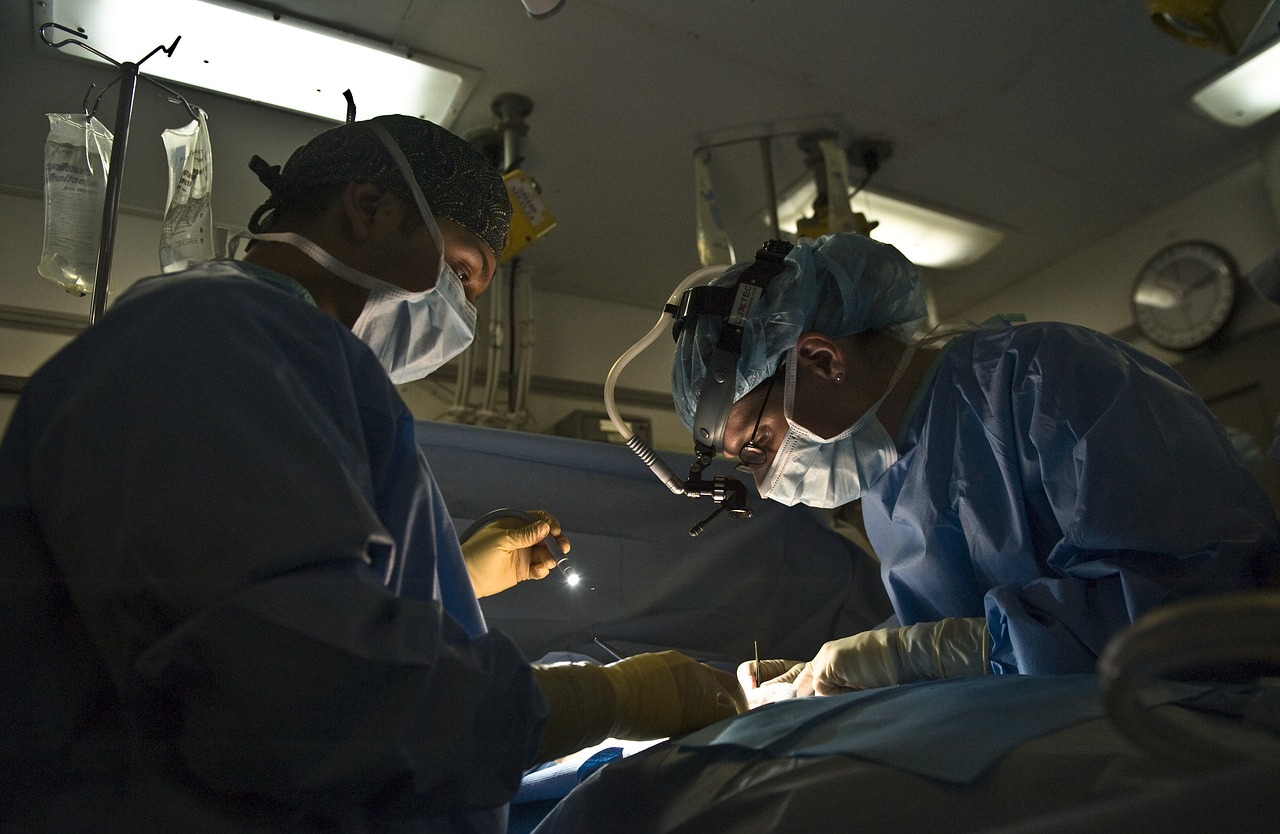
At ASA, we provide comprehensive evaluation and treatment for a wide range of skin conditions, from common benign growths to complex, chronic, or potentially serious concerns. Our experienced providers specialize in diagnosing and treating conditions such as cysts, lipomas, skin cancer, hidradenitis suppurativa, pilonidal disease, and problematic scars. Our approach is patient‑centered, evidence‑based, and focused on achieving the best possible medical and cosmetic outcomes.
Below you’ll find an overview of several medically recognized skin and soft tissue conditionswe commonly treat, including clinical symptoms, diagnostic considerations, and evidence-based treatment options.
Read More
Cysts (Sebaceous & Epidermoid Cysts)
What are they?
Cysts are closed sacs beneath the skin filled with fluid, keratin, or other material. They are usually benign but can become painful or infected.
Common symptoms
- Slow‑growing lump under the skin
- Firm or rubbery texture
- Redness, tenderness, or drainage if infected
Medical & Surgical Treatment Options
- Observation for small, asymptomatic cysts
- Incision and drainage for infected cysts
- Complete surgical excision to prevent recurrence
Lipomas (Benign Fatty Tumors)
What are they?
Lipomas are soft, benign tumors made of fatty tissue. They are generally harmless but may be removed if uncomfortable or cosmetically bothersome.
Common symptoms
- Soft, movable lump under the skin
- Usually painless
- Slow growth over time
Medical & Surgical Treatment Options
- Monitoring if asymptomatic
- Surgical removal for discomfort, rapid growth, or cosmetic reasons
Skin Cancer Screening, Diagnosis & Treatment
What is it?
Skin cancer occurs when abnormal skin cells grow uncontrollably, often due to sun exposure. Early detection and treatment are critical.
Common types
- Basal cell carcinoma
- Squamous cell carcinoma
- Melanoma
Clinical warning signs
- New or changing moles or lesions
- Non‑healing sores
- Irregular borders, uneven color, or bleeding
Medical & Surgical Treatment Options
- Surgical excision
- Mohs surgery (when indicated)
- Ongoing surveillance and follow‑up care
Hidradenitis Suppurativa (HS): Medical & Surgical Management
What is it?
Hidradenitis suppurativa (HS) is a chronic inflammatory skin condition affecting sweat gland–bearing areas such as the underarms, groin, and buttocks.
Common symptoms
- Painful nodules or abscesses
- Recurrent flare‑ups
- Scarring or sinus tract formation
Medical & Surgical Treatment Options
- Medical management for inflammation control
- Drainage of painful abscesses
- Surgical excision of affected tissue in advanced cases
Pilonidal Cysts & Pilonidal Disease
What are they?
Pilonidal cysts develop near the tailbone and often contain hair and debris. They can become infected and recur without proper treatment.
Common symptoms
- Pain or swelling near the tailbone
- Redness or drainage
- Fever in severe infections
Medical & Surgical Treatment Options
- Incision and drainage for acute infection
- Surgical removal of chronic or recurrent cysts
- Post‑procedure guidance to reduce recurrence
Scar Revision & Reconstructive Skin Surgery
What is it?
Scar revision improves the appearance, texture, or function of scars caused by surgery, injury, or skin conditions.
Concerns addressed
- Thick or raised scars
- Sunken or wide scars
- Painful or restrictive scars
Medical & Surgical Treatment Options
- Surgical scar revision
- Steroid injections (when appropriate)
- Tailored treatment plans based on scar type and location
Why Choose ASA for Medical Skin Care
- Board Certified Surgeons specializing in skin, soft tissue, and subcutaneous conditions
- Individualized treatment plans guided by clinical evaluation and best-practice standards
- Focus on optimal medical outcomes with attention to cosmetic and functional results
- Compassionate, patient‑focused care
Schedule a Skin Consultation
If you have a concerning skin condition or would like to discuss treatment options, contact ASA today to schedule a consultation. Early evaluation can make all the difference.
Diastasis Recti Repair (Women & Men)
Surgical Restoration of Core Integrity and Abdominal Function

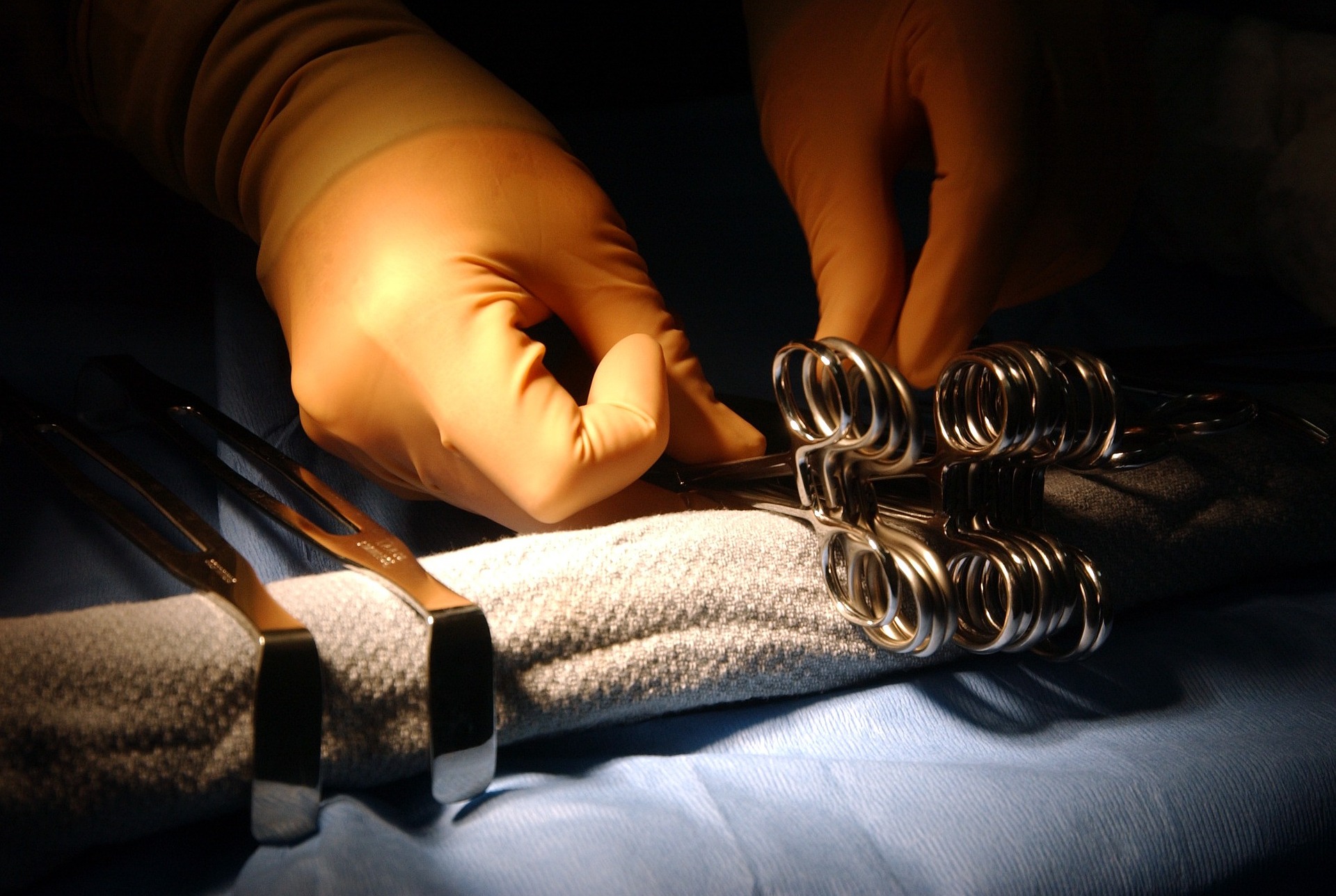
Diastasis recti is a clinically significant separation of the rectus abdominis muscles that affects both women and men. When left untreated, it can compromise core stability, contribute to chronic back pain, postural dysfunction, hernia formation, and reduced quality of life.
At ASA, our diastasis recti repair program is grounded in evidence-based surgical care, supported by wellness-focused assessment and individualized treatment planning. Our goal is not only cosmetic improvement, but durable restoration of abdominal wall strength and function.
Read More
Understanding Diastasis Recti
Diastasis recti occurs when the linea alba—the connective tissue between the left and right rectus muscles—becomes stretched and weakened, resulting in muscle separation and loss of midline support.
Contributing Factors
- Pregnancy and postpartum physiological changes
- Chronic increases in intra-abdominal pressure
- Obesity or significant weight fluctuations
- Improper core loading or heavy lifting
- Prior abdominal surgery
- Age-related connective tissue laxity
Clinical Presentation
- Midline abdominal bulge or doming
- Core weakness or instability
- Chronic lower back or pelvic pain
- Poor posture and impaired movement mechanics
- Exercise intolerance or reduced physical performance
- Associated ventral or umbilical hernias
Diastasis Recti in Women
In women, diastasis recti most commonly develops during pregnancy as the abdominal wall adapts to fetal growth. While mild separation may improve postpartum, many patients experience persistent dysfunction that does not resolve with exercise alone.
Potential Impacts:
- Ongoing postpartum abdominal protrusion
- Pelvic floor dysfunction
- Back pain and fatigue
- Reduced functional strength
- Psychological and body image concerns
Surgical repair may be indicated when conservative management fails or when separation significantly impacts function or quality of life.
Diastasis Recti in Men
Diastasis recti in men is frequently underdiagnosed and may be mistaken for central obesity. In reality, it reflects a structural weakness of the abdominal wall that can progress over time.
Potential Impacts:
- Loss of core strength and endurance
- Progressive abdominal protrusion
- Back pain or postural imbalance
- Increased risk of hernia development
Men benefit from the same structured evaluation and surgical precision as female patients, with treatment plans adapted to anatomy and activity demands.
Comprehensive Surgical Evaluation
Every patient undergoes a detailed consultation to determine the most appropriate treatment approach.
Assessment Includes:
- Physical examination of abdominal wall integrity
- Measurement of muscle separation
- Evaluation for coexisting hernias
- Review of symptoms, medical history, and functional limitations
- Imaging when clinically indicated
Surgical Treatment Options
At ASA, diastasis recti repair is performed using minimally invasive techniques whenever appropriate, with an emphasis on safety, precision, and optimal outcomes.
Robotic-Assisted Repair (da Vinci® System)
Robotic-assisted diastasis recti repair using the da Vinci® surgical platform allows for enhanced visualization, precision suturing, and meticulous restoration of the abdominal wall.
Advantages:
- High-definition 3D visualization
- Superior precision and control
- Improved midline reconstruction
- Reduced tissue trauma
- Smaller incisions and minimal scarring
- Potential for faster recovery
This approach is particularly beneficial for complex repairs, significant separations, or cases involving concurrent hernia repair.
Laparoscopic Diastasis Recti Repair
Laparoscopic repair is a minimally invasive option suitable for select patients with appropriate anatomy and clinical indications.
Advantages:
- Small incisions
- Reduced postoperative pain
- Shorter hospital stay
- Faster return to daily activities
The choice between laparoscopic and robotic-assisted surgery is determined based on clinical findings, patient goals, and surgeon recommendation.
Personalized Treatment Planning
Your surgical plan is customized to ensure optimal functional and structural outcomes.
Treatment May Include:
- Midline plication of the rectus muscles
- Reinforcement of the abdominal wall
- Concurrent hernia repair when indicated
- Integration of pre- and post-operative core rehabilitation guidance
Recovery and Postoperative Care
Recovery protocols are designed to support healing while protecting the repair.
Postoperative Care Includes:
- Clear activity and lifting guidelines
- Gradual return to movement
- Core stabilization education
- Follow-up evaluations to monitor healing
Most patients experience meaningful improvements in strength, posture, and comfort following recovery.
Benefits of Surgical Diastasis Recti Repair
- Restored abdominal wall integrity
- Improved core strength and stability
- Reduction in back and pelvic pain
- Enhanced posture and functional movement
- Long-term structural support
- Improved abdominal contour
Why Choose ASA
- Expertise in female and male diastasis recti repair
- Advanced minimally invasive and robotic techniques
- Individualized, wellness-informed surgical planning
- Emphasis on long-term functional outcomes
- Compassionate, patient-centered care
Schedule a Surgical Consultation
If diastasis recti is affecting your comfort, function, or quality of life, a surgical evaluation can provide clarity and options.
Contact ASA today to schedule a consultation and learn whether minimally invasive diastasis recti repair is right for you.

Anorectal and Colorectal
We provide comprehensive surgical evaluation and management of anorectal and colorectal disorders using evidence-based, guideline-driven approaches. Our focus is on accurate diagnosis, appropriate operative planning, and optimization of functional and long-term outcomes.
Anal Fistulas
Anal fistulas are pathological epithelialized tracts connecting the anal canal or rectum to the perianal skin, most commonly arising from cryptoglandular infection. Clinical manifestations may include pain, purulent drainage, recurrent abscess formation, and local inflammation. Management is determined by fistula anatomy, sphincter involvement, and underlying disease etiology. Surgical options may include fistulotomy, seton placement, advancement flap procedures, or other sphincter-sparing techniques to achieve tract closure while minimizing the risk of fecal incontinence.
Read More
Colorectal Polyps
Colorectal polyps represent mucosal lesions with varying malignant potential and require risk stratification based on histology, size, and number.
Diverticular Disease Diverticular disease may range from asymptomatic diverticulosis to acute diverticulitis with complications such as abscess, fistula, obstruction, or perforation. Our approach includes endoscopic evaluation, radiographic assessment when indicated, longitudinal surveillance, and surgical intervention for advanced or recurrent disease in accordance with current clinical guidelines.
Fecal Incontinence
Fecal incontinence is a multifactorial disorder resulting from impaired anal sphincter integrity, neuromuscular dysfunction, reduced rectal compliance, or altered stool consistency. Evaluation includes detailed history, physical examination, and selective use of diagnostic modalities such as anorectal manometry, endoanal ultrasound, and imaging studies. Treatment is individualized and may involve medical management, pelvic floor rehabilitation, neuromodulation, or surgical reconstruction aimed at restoring continence and functional control.
Inflammatory Diseases of the Colon
Inflammatory bowel diseases, including ulcerative colitis and Crohn’s disease, are chronic immune-mediated conditions characterized by relapsing inflammation of the gastrointestinal tract. Surgical management is considered for medically refractory disease, complications such as strictures, dysplasia, or malignancy, and for symptom control in advanced cases. We collaborate closely with gastroenterology to ensure coordinated care, with surgical strategies tailored to disease extent, activity, and patient-specific factors.
Our practice is committed to delivering high-quality colorectal surgical care grounded in clinical rigor, multidisciplinary collaboration, and patient safety. We emphasize informed decision-making and continuity of care throughout the perioperative and recovery process.